Phil Donahue: The Legacy of a Television Pioneer Who Transformed Daytime Talk Shows passes at 88
- Mahi

- Aug 25, 2024
- 4 min read
On August 20, 2024, the world of television lost one of its most influential figures with the passing of Phil Donahue at the age of 88. Known as the father of modern talk shows, Donahue revolutionized the format of daytime television with his groundbreaking program, The Phil Donahue Show. Over nearly three decades, his show not only entertained but also educated millions, addressing topics that were often taboo in mainstream media. Donahue's unique approach to television transformed the way we think about daytime programming and left an indelible mark on American culture.
Breaking New Ground in Daytime Television
Phil Donahue was born on December 21, 1935, in Cleveland, Ohio, and began his career in broadcasting as a radio announcer. In 1967, his career took a pivotal turn when he launched The Phil Donahue Show in Dayton, Ohio. What started as a local talk show quickly gained national attention for its unique format and its willingness to tackle controversial topics.
At a time when daytime television was dominated by soap operas and game shows, Donahue introduced a new kind of programming. His show featured live audiences and focused on in-depth discussions about current events, social issues, and human interest stories. This format was revolutionary, offering a platform for ordinary people to express their opinions and interact with experts and celebrities. Donahue’s approach was characterized by his curiosity, empathy, and commitment to exploring the human condition, which resonated with viewers across the country.
Challenging Social Norms
One of Phil Donahue's most significant contributions to television was his willingness to address issues that were often ignored or considered too controversial for public discussion. Throughout its run, The Phil Donahue Show tackled subjects such as civil rights, feminism, mental health, LGBTQ+ issues, and more. Donahue was not afraid to give a voice to marginalized communities, making his show a crucial platform for social change during a time of significant cultural shifts in America.
For instance, in the 1970s, when homosexuality was still a highly stigmatized subject, Donahue invited openly gay guests onto his show to discuss their experiences. This was a bold move that challenged prevailing social norms and helped to humanize a community that was often vilified. Similarly, Donahue was a vocal advocate for women’s rights, featuring discussions on topics such as reproductive rights, domestic violence, and gender equality. His show provided a space for women to share their stories and advocate for their rights in a society that often silenced them.
Donahue's commitment to social justice extended beyond the topics he covered. He was known for his respectful and empathetic interviewing style, which allowed his guests to speak candidly about their experiences. This approach not only informed his audience but also encouraged empathy and understanding, fostering a more inclusive and compassionate society.
The Interactive Format: A New Way to Engage Audiences
Phil Donahue was a pioneer in the use of live audience participation in television. His show was one of the first to invite audience members to ask questions and engage directly with the guests. This interactive format created a dynamic and engaging viewing experience, setting the standard for many talk shows that followed.
The live audience became a central element of The Phil Donahue Show, adding an unpredictable and spontaneous quality to the program. Audience members were not just passive observers; they were active participants in the discussion, often challenging the guests and sparking lively debates. This level of engagement was unprecedented in daytime television and contributed to the show’s popularity and longevity.
Donahue’s innovative approach influenced a generation of talk show hosts who followed in his footsteps. Oprah Winfrey, for example, has often cited Donahue as a major influence on her career. Like Donahue, she used her platform to explore important social issues and engage her audience in meaningful conversations.
A Legacy of Advocacy and Activism
Beyond his work in television, Phil Donahue was known for his activism and advocacy. He was a staunch opponent of the Iraq War and used his platform to speak out against it, even after his show ended. His commitment to social justice and his willingness to challenge the status quo made him a respected figure not only in the entertainment industry but also among activists and advocates for change.
Donahue’s activism was not limited to his television show. He was a vocal critic of media consolidation and the influence of corporate interests on journalism. He believed that the media had a responsibility to serve the public interest and was not afraid to speak out against what he saw as the erosion of journalistic integrity.
His contributions to television and society were recognized with numerous awards throughout his career. He won 20 Daytime Emmy Awards, a Peabody Award, and was inducted into the Television Hall of Fame in 1993. These accolades reflect the profound impact he had on the industry and the lasting legacy of his work.
A Lasting Influence on Television and Society
Phil Donahue’s influence on television cannot be overstated. His innovative approach to daytime programming transformed the talk show format and opened the door for more serious, issue-oriented discussions on television. He showed that daytime TV could be more than just entertainment; it could be a platform for education, advocacy, and social change.
As we reflect on his legacy, it is clear that Donahue’s contributions extended far beyond the screen. He played a crucial role in shaping public discourse on some of the most important social issues of our time, and his work continues to inspire journalists, activists, and television hosts today.
In a media landscape that is often driven by sensationalism and superficial content, Donahue’s commitment to thoughtful, in-depth discussion serves as a powerful reminder of the potential of television as a tool for social change. His passing marks the end of an era, but his legacy will live on in the countless lives he touched and the many talk shows that followed in his pioneering footsteps.
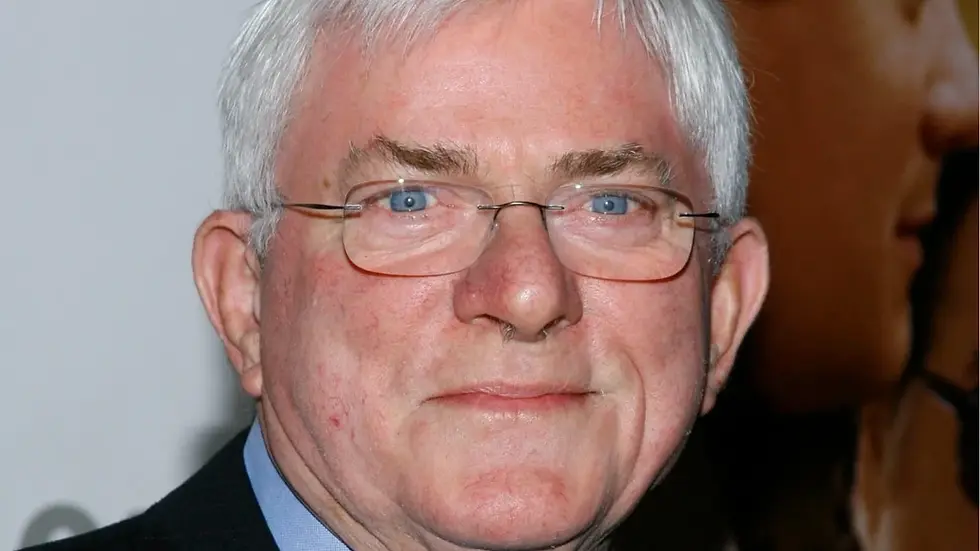
Phil Donahue may be gone, but his impact on television and society will be felt for generations to come. He leaves behind a legacy of innovation, compassion, and a relentless pursuit of truth that will continue to inspire and influence for years to come.